Flood Preparedness and Reducing Your Risk
Reducing your risk
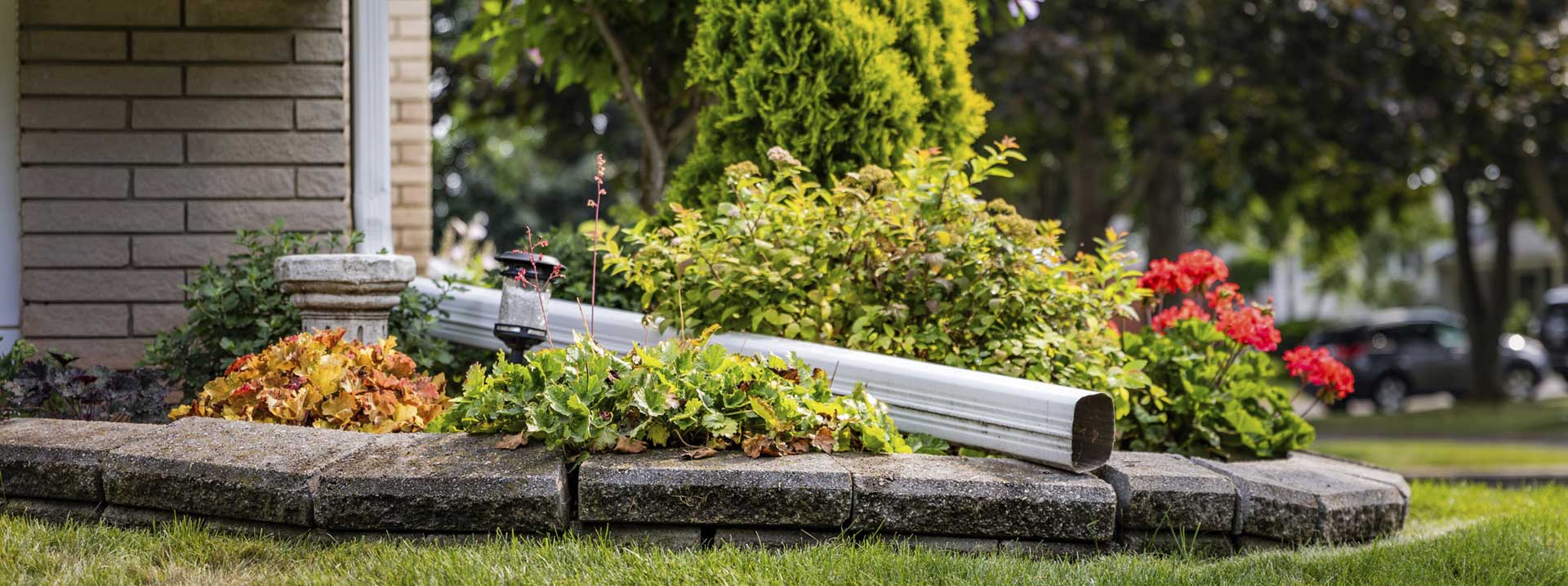
Wastewater can back up into your home when things like your downspouts and weeping tiles around foundations are connected to the wastewater system – and shouldn’t be! This is a big contributor to basement flooding during extreme weather events when there is so much rainfall in a short period of time, and there is no where else for the rain to go.
Excessive overland rainwater, in areas like your street or yard combined with poor property grading and drainage can also make it easier for rainwater to enter your home. It can seep in through your windows, doors and cracks in the foundation and make its way to the wastewater system, causing it to back up.
The graphics below show the correct and incorrection connections for downspouts and weeping tiles.
Assess your flood risk with a Household Drainage Survey
A Household Drainage Survey is an in-home assessment that helps homeowners understand how water drains around and away from their property. It provides information about:
- drainage conditions on your property
- the conditions of your wastewater pipes (also known as the wastewater lateral), both on private property and where it connects to the public system
Halton Region requires confirmation of any stormwater connections to the wastewater system to determine whether the work qualifies for a subsidy.
This information can help identify issues that may increase the risk of basement flooding.
You may qualify for a Household Drainage Survey if your home:
- was built between the mid 1950s to the late 1970s; and
- has a previously reported history of basement flooding due to a wastewater surcharge; and
- is located in a Region-defined priority area.
If you would like to confirm if you are located within a region-defined priority area, confirm if you are eligible, and/or request a survey, please email hhds@halton.ca or call 311 .
Duration: Approximately 1-2 hours
Access required:
- inside your basement
- outside areas around your property
Before your appointment, please ensure clear access to your:
- sewer cleanout (a small, capped pipe often found in your yard, basement, or garage)
- basement floor drain
- sump pump (if you have one)
The assessment will help identify key drainage features and conditions on the property, including:
- whether your home’s weeping tiles or exterior storm drains (reverse driveway drains, stairwell or patio drains) are connected to the wastewater system
- the location and condition of the wastewater lateral
- whether downspouts are connected to the wastewater system and where they discharge
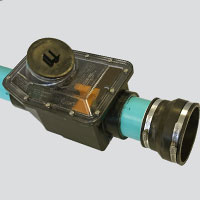
- whether a backwater valve is installed and its condition
- whether a sump pump exists, and its condition and discharge location
Why it matters
A Household Drainage Survey can help you:
- detect hidden drainage issues before they become a problem
- protect your foundation and property from water damage
- understand the condition of your wastewater lateral and drainage conditions
If your home does not meet the criteria for a Household Drainage Survey, and you would like to complete subsidy eligible work, you are required to obtain a plumbing or drainage assessment from a licensed plumber.
The cost of this assessment qualifies to be submitted as part of the total eligible project costs under the subsidy program. The cost will be reimbursed through the subsidy program within the existing rebate limits. This does not represent an additional or separate reimbursement, and it is subject to the successful completion of eligible work and subsidy approval.
Homeowner and Contractor Guides
Our Contractor and Homeowner Guides support consistent understanding of current program requirements. These guides clearly outline:
- subsidy eligibility
- the application process
- key requirements for homeowners
Please carefully review the applicable guide(s) before starting any work.
Halton Region Basement Flooding Prevention Subsidy Program
Our Basement Flooding Prevention Subsidy Program makes it easier and more affordable for residents to undertake home improvements that can help reduce the risk of basement flooding and keep rain/storm water out of the wastewater system.
Learn more about the program and home improvements you can make to limit your risk of basement flooding:

Other ways to reduce the risk of basement flooding
- It’s important to understand how your property and home drains rainwater and melted snow, and what paths the water can take.
- To help with that, you can confirm if you are located within a Region-defined priority area, confirm if you are eligible, and/or request a Household Drainage Survey by emailing accesshalton@halton.ca or calling 311.
- Ensure your yard slopes away from your house, not towards it. A minimum slope of 2% is required, with 5% being ideal. This means that there should be a drop of 2-5 cm in every metre.
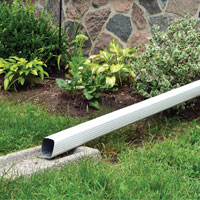
- Ensure that eavestroughs (gutters) and downspouts are in good condition, are clear and drain properly. Ideally, downspouts should be extended 3m away from the foundation of the home, to ground that is sloped away from the home.
- Regularly clean out drains, culverts and stormwater swales around your property to prevent blockages.
- The benefits of proper lot drainage are not limited to Basement Flood Prevention. Stagnant water and soggy yards are a breeding ground for mosquitoes, increasing the risk of exposure to West Nile virus.
- Keep floor drains inside your home clear, and your cleanouts accessible.
- Ensure window wells are free of debris. Consider installing flood-resistant doors or panels.
- Install weather protection sealant around basement windows and the base of ground-level doors.
- Regularly maintain your sump pump. Ensure that your sump pump system is sturdy, adequately sized and has backup power so it can continue to operate during a power outage or when flows into the sump pit are much higher than normal.
- If you have one, regularly maintain your backwater valve.
Insurance and coverage
While it won’t prevent a flood, understanding your flood related insurance policy, deductible and other supports available to you through your insurance provider is important. You should also ensure you fully understand their claims process and what you need to provide them to make your claim.
Contact your insurance provider to confirm all these very important details. It will save you time and stress when it comes time to clean up and repair your home from flood damage.
The Insurance Bureau of Canada has a virtual Community Assistance Mobile Pavilion to help with questions related to insurance. For support:
- call 1-844-227-5422 ; or
- email ONCIC@ibc.ca .
More information on filing an insurance claim (external link)