
Early childhood educators help children build skills for life, support families and make it possible for parents and caregivers to go to work knowing their children are learning and receiving quality care. Their work strengthens our community every day.
Here are five things to know about early childhood educators (ECEs)—and why this meaningful career matters to our community.
1. They bring specialized knowledge to everyday moments
ECEs are experts in how children develop—from their language and physical skills to their social and emotional well-being. Their education combines classroom learning with hands-on experience, preparing them to understand children’s needs and support their healthy development.
Whether helping a child navigate a new skill like reading or encouraging them to try something unfamiliar, ECEs put that knowledge into practice every day.
2. There’s a purpose behind the play
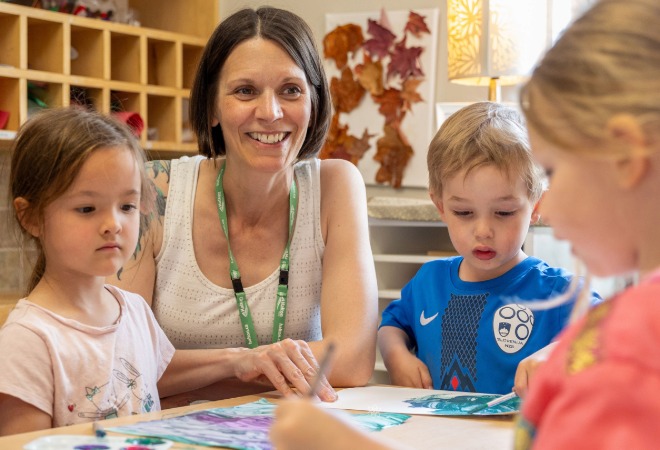
When children build a tower, act out a story or explore outdoors, they’re developing skills in problem-solving, communication and working with others. ECEs use their knowledge of child development to turn these interests into meaningful learning experiences.
By observing how children play, asking thoughtful questions and introducing new challenges, ECEs help them explore ideas, practice new skills and build on what they already know. They create inclusive environments where children can participate, feel a sense of belonging and develop confidence in their abilities.
What looks like play is also building a foundation for learning—and ECEs bring the expertise to make it happen.

3. Their expertise reaches across our community
ECEs support children from birth to age 12 in a variety of settings. You’ll find them in licensed child care centres, kindergarten classrooms, before and after school programs, and EarlyON Child and Family Centres and beyond!
The profession also offers opportunities to grow into leadership, family support, program development and other specialized roles, with additional education, training or experience.
4. They help families—and Halton—thrive
The impact of early childhood education extends beyond the children in a program. ECEs build relationships with families and help provide the quality child care that allows parents and caregivers to go to work with confidence their little ones are taken care of.
Supporting a strong early learning and child care workforce is an investment in children, families and the well-being of our whole community.
5. There are many pathways into this rewarding profession
ECEs are in demand across Burlington, Oakville, Milton and Halton Hills. Whether you’re a student exploring your first career, an adult considering a change or a newcomer bringing education and experience from another country, there are pathways to explore.
There are many pathways to explore the field of Early Childhood Education. Most applicants become Registered Early Childhood Educators by completing an approved early childhood education diploma or degree and registering with the College of Early Childhood Educators. Other applicants may qualify through an assessment of their education and experience. Flexible study options and financial supports may also be available.
Celebrating the people who make a difference
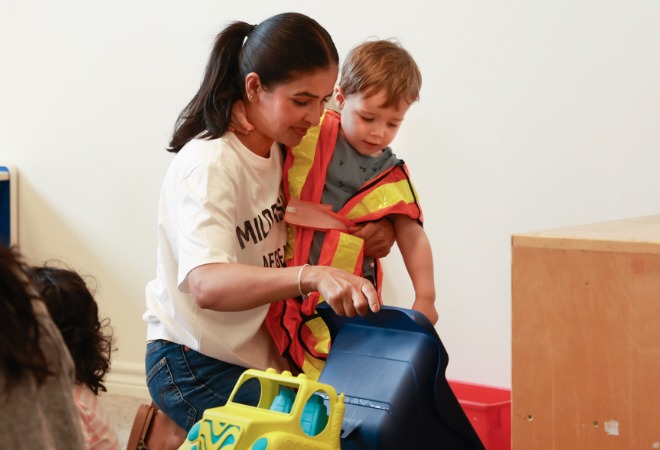
To Halton’s early childhood educators and child care workers: thank you for the care, expertise and dedication you bring to your work. You help children feel supported, families feel connected and our community grow stronger.
Interested in learning more about a career in Early Childhood Education?
Explore education pathways, career opportunities and available supports on our Careers in early learning and child care webpage.